
Denver Adolescent DBT Group Therapy
Targeted Skills Training to Help Your Teen Navigate Their Internal & External Worlds
Expert Clinical Support & Peer Connection to Create Positive Change

Find the Right Support for Your Child
Support for the Whole Family
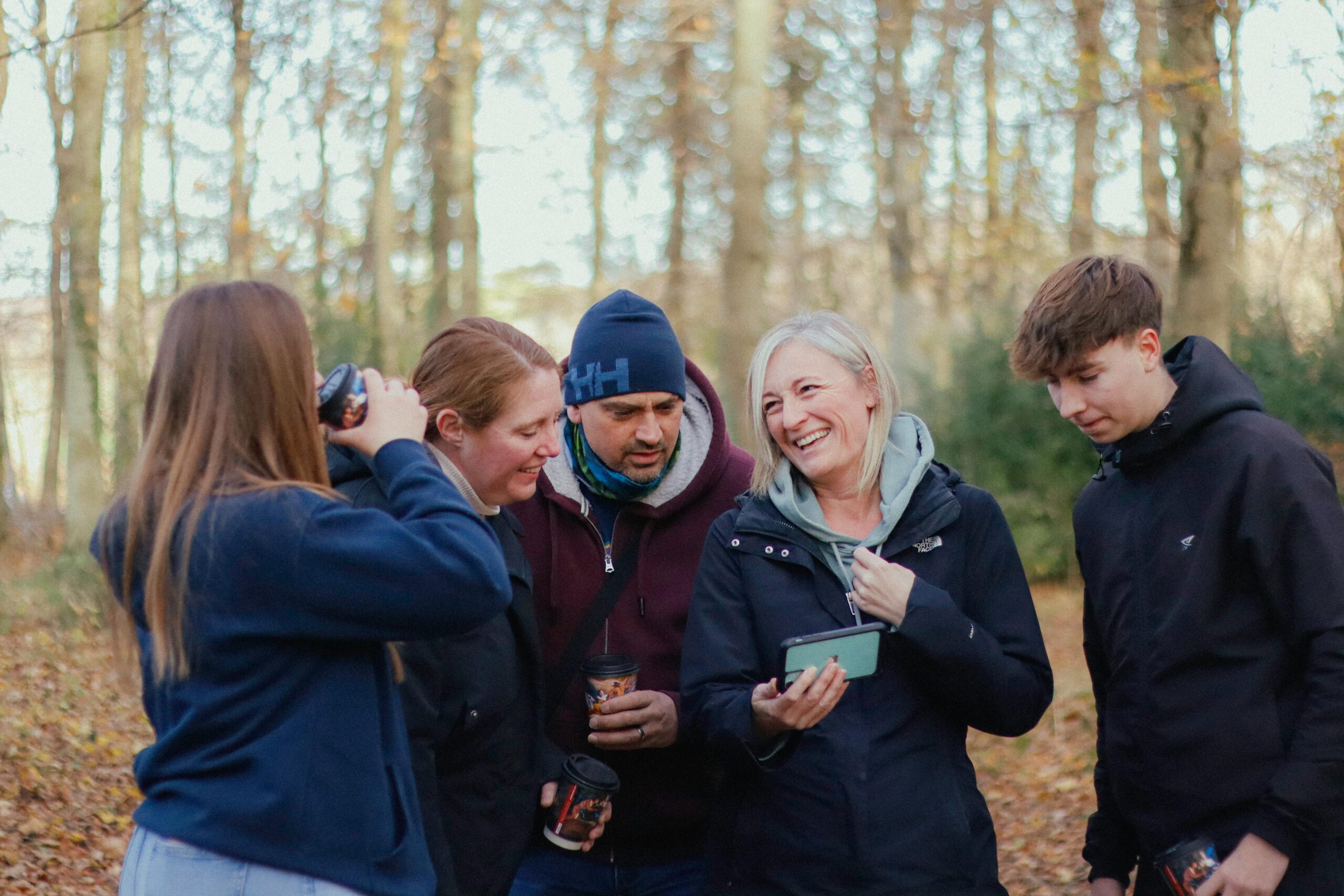
- Weekly 80-Minute Skills Training: Focused on the four modules of DBT: mindfulness, distress tolerance, emotion regulation, and interpersonal effectiveness.
- Parent Communication: Depending on which teen age group, parents/caretakers receive weekly or monthly email updates about the skills being taught in group. The younger teen group has a parent check-in time at the end of each group for in-person guidance and updates related to skill integration.
- Family Support Options: Personalized family DBT sessions and/or parent coaching sessions may be scheduled as needed to support your teen’s integration of skills (available for an additional fee).
What to Expect in a DBT Group Session
Mindfulness &
Skills Review
Observational Learning, Application & Support
Skill Acquisition & Next Steps
What to Expect in a DBT Group Session
Mindfulness & Skills Review
Observational Learning, Application & Support
Skill Acquisition & Next Steps
― Dr. Viktor E. Frankl
Doctoral-Level Expertise & Developmentally Appropriate Care
Every adolescent DBT group is led by a doctoral-level clinician or clinical psychologist who understands that your teen has likely been sitting in a classroom all day. That is why we don’t just lecture. Instead, we take a collaborative approach that honors your teen’s voice and autonomy. We thoughtfully create a supportive space where teens can share openly, receive direct feedback, and practice the tools they need to thrive in their relationships with others—and with themselves.

FAQs:
What is DBT?
Dialectical Behavior Therapy (DBT) is an evidence-based approach focused on teaching highly practical life skills. It is built on the concept of “dialectics”—the ability to hold two seemingly opposite truths at the same time. In our adolescent groups, this means we accept and understand your teen as they are today, while simultaneously giving them the clinical tools to make the meaningful changes they need to navigate their future.
Who benefits most from DBT groups?
DBT is incredibly versatile. While widely considered the premier treatment for borderline personality disorder (BPD) and self-harming behaviors, it is also highly effective for teens managing anxiety, depression, impulsivity, eating/substance disorders, and ADHD (as well as other presenting concerns/challenges). Ultimately, it is designed for any adolescent (including high-achieving students overwhelmed by school stress/anxiety, teens navigating identity shifts, changing family dynamics, or those that may be struggling with social dynamics) who could benefit from structured tools to improve emotion regulation and well-being.
Is group DBT therapy effective for teens?
Highly effective. Decades of clinical research demonstrates DBT’s efficacy for teaching emotion regulation. Because it accelerates learning through peer modeling and real-time behavioral rehearsal, the group format is the clinical gold standard for mastering these skills—especially for teenagers, who often learn best alongside their peers. Most clients achieve the best outcomes by completing the full curriculum (roughly 45 weeks), with many choosing to repeat modules to hone their skills.
What if my teen is resistant to the idea of group therapy?
It is incredibly common for teens to feel hesitant about starting therapy. We prioritize making them feel as safe and supported as possible, emphasizing an approach where they have control over what they share. By placing them in a developmentally appropriate group with peers facing similar challenges, we often find that the group environment itself makes them feel more comfortable. Our teen group participants routinely recognize that they are not alone and that group is a space to build their own capabilities, not a place where they will be judged or lectured.
How large are the groups?
As compared to other local DBT groups, we have uniquely small groups. To ensure optimal facilitation, allow for individualized feedback and to reduce anxiety about opening up to peers, we cap our groups at 8 members. This ensures each teen gets the individual attention and space they deserve.
How frequently do the groups meet?
Our adolescent DBT groups meet once per week for 80 minutes. We find this steady rhythm provides ample time for comprehensive skill instruction while giving your teen adequate opportunity to practice applying the tools to their academic and social lives between sessions. Please visit our Availability and Fees page for the specific times and locations for each age-bracketed group. Because we understand the demands of the academic calendar, holiday observances and school breaks are navigated collaboratively on a group-by-group basis to best accommodate our members’ schedules.